Bulking means eating more calories than you burn so your body has extra energy to build muscle. A small surplus works best for most people: about 5 to 20% above your daily burn, or roughly 300 to 500 calories, aiming to gain about 0.25 to 0.5% of your body weight a week.
You only build muscle from the surplus if you train for it. Lifting with progressive overload gives your body a reason to build muscle, and the extra food gives it the material. If you eat in a surplus without training, most of what you gain is fat.
How big a surplus?
A 2019 review of nutrition for bodybuilders in the off-season suggested a surplus of about 10 to 20% above maintenance for newer and intermediate lifters, with a target of gaining about 0.25 to 0.5% of body weight a week. The authors suggested that advanced lifters, who build muscle more slowly, keep their surplus and rate of gain on the smaller side.
Many people start smaller still, at about 5 to 10% above their daily burn. Our free Macro, TDEE & BMR Calculator uses 300 calories above your burn when you pick "Build muscle," which lands in that range for most adults. You can add more later if the scale doesn't move.
At a few body weights, 0.25 to 0.5% a week comes to:
| Body weight | Gain per week | Gain per month |
|---|---|---|
| 140 lb (64 kg) | 0.35 to 0.7 lb (0.15 to 0.3 kg) | About 1.5 to 3 lb |
| 170 lb (77 kg) | 0.4 to 0.85 lb (0.2 to 0.4 kg) | About 1.75 to 3.5 lb |
| 200 lb (91 kg) | 0.5 to 1 lb (0.2 to 0.45 kg) | About 2 to 4 lb |
Gaining faster than this usually adds more fat without adding much more muscle. Gaining slower is fine too, especially if you've been lifting for a few years.
Lean bulk vs dirty bulk
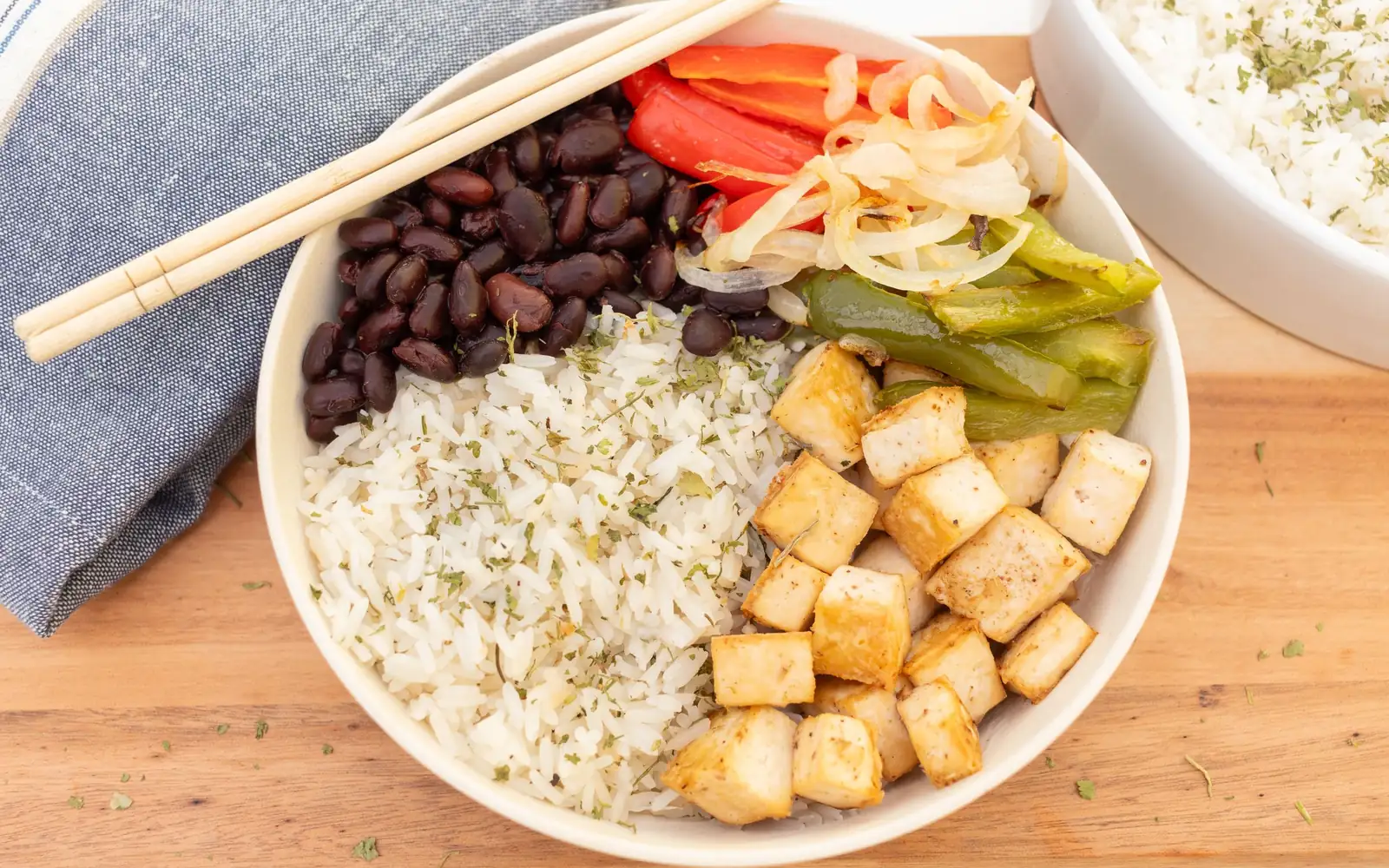
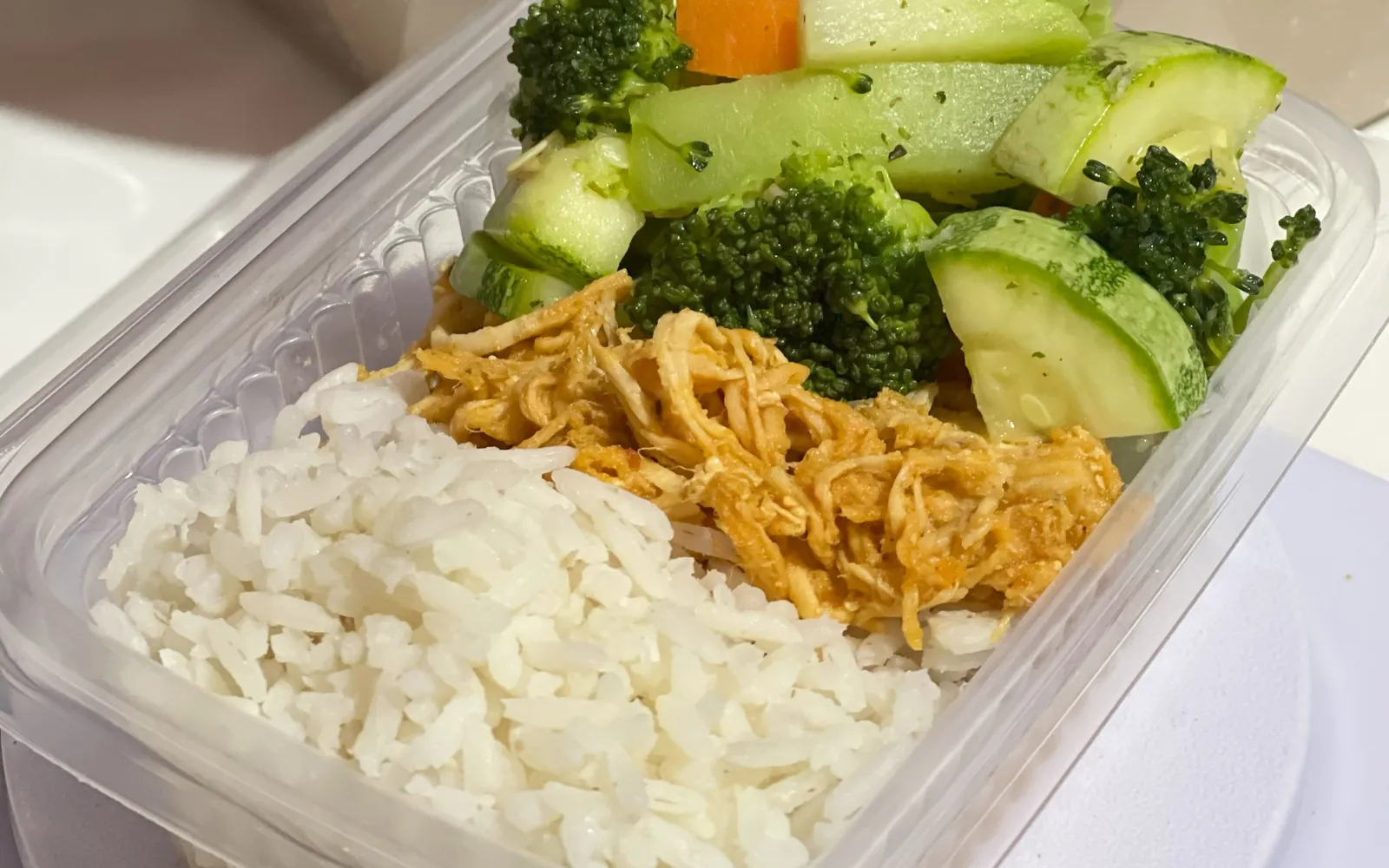
A "lean bulk" is the approach above: a modest surplus, mostly from whole foods, with weight going up slowly. A "dirty bulk" means eating as much as you can, often from fast food and sweets, and gaining weight quickly.
Dirty bulking does put weight on fast, but a large share of it is fat, and you'll spend longer dieting it off afterward. You'll usually get better results from the slower version, where more of each pound you gain is muscle.
How to set your macros
Once you know your calories, split them into protein, carbs and fat. The same 2019 review suggested:
| Macro | Per pound of body weight | Per kilogram | At 170 lb (77 kg) |
|---|---|---|---|
| Protein | 0.7 to 1.0 g | 1.6 to 2.2 g | About 120 to 170 g |
| Fat | 0.25 to 0.7 g | 0.5 to 1.5 g | About 40 to 115 g |
| Carbs | The rest of your calories | At least 3 to 5 g | Usually 300 g or more |
Protein stays about the same whether you're bulking or cutting. You add most of the extra calories as carbs, which fuel your training, and the rest as fat. Our free Protein Calculator gives you your own protein range, and How to calculate your macros walks through the full split by hand.
An example
Say you weigh 170 lb (77 kg) and burn about 2,700 calories a day. Adding 300 puts you at about 3,000 calories, with around 150 grams of protein, 85 grams of fat and the rest, about 410 grams, from carbs.
That's close to our 3,000 calorie meal plan example, which shows a full day of food at that level. If you're smaller or less active, the 2,500 calorie example may be closer to your number. Both are examples to borrow ideas from, and you can swap any food for one you like better.
Foods that make a surplus easier
Eating more can be the hard part. When you're already full, it's tough to add another meal. Foods with a lot of calories in a small amount help, because they add energy without much extra volume.
| Food | Serving | Calories |
|---|---|---|
| Granola | ½ cup (61 g) | 298 |
| Medjool dates | 3 dates (72 g) | 199 |
| Peanut butter | 2 tbsp (32 g) | 191 |
| Walnuts | 1 oz (28 g) | 185 |
| Whole milk | 1 cup (240 ml) | 149 |
| Olive oil | 1 tbsp (14 g) | 119 |
Numbers come from USDA FoodData Central. Our High-Calorie Foods list has 26 more, from ribeye steak and salmon to oats, bagels and sweet potatoes, with protein, carbs and fat for each.
A few habits help too:
- Drink some calories. Milk, smoothies and shakes go down a lot easier than the same calories as solid food.
- Add fats to what you already eat. A tablespoon of olive oil on rice or vegetables adds about 120 calories without making the meal bigger.
- Eat more often. Four or five meals and snacks are easier than three huge plates.
- Keep easy snacks around. Trail mix, nut butter and dried fruit take no prep.
How to track your progress
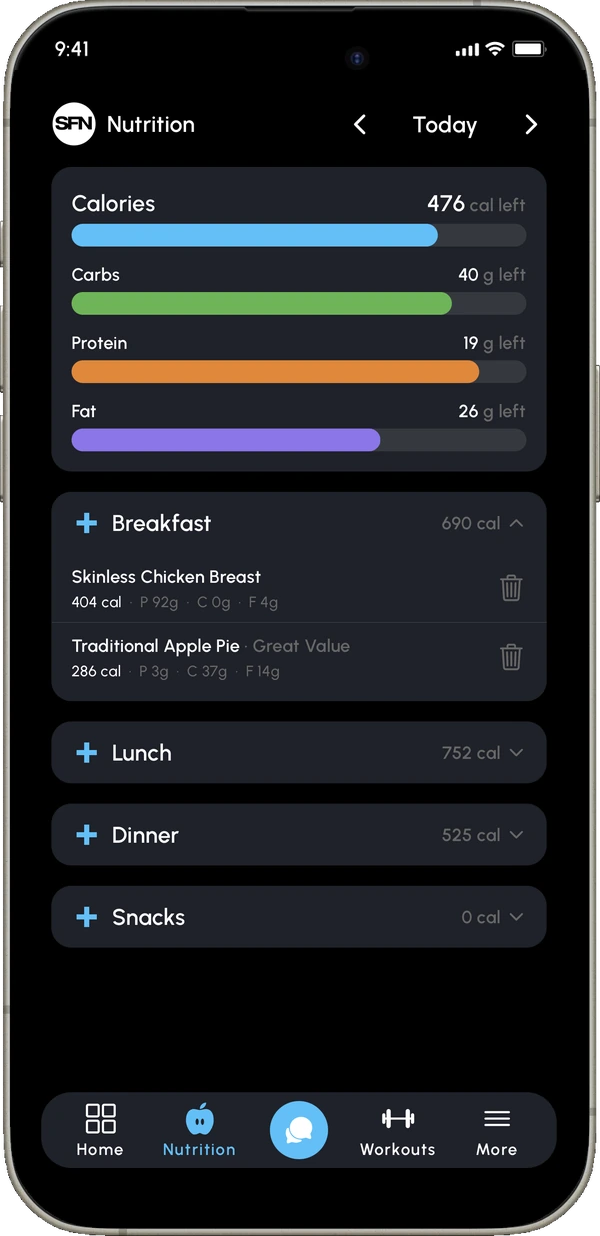
Weigh yourself a few mornings a week, before you eat, and look at the weekly average. Daily weight jumps around with water, salt and food in your gut, so you can't learn much from one reading.
After two or three weeks, compare your average to the target range above. If you're gaining slower than you want, add about 100 to 200 calories a day. If you're gaining faster, take about the same amount away. Keep an eye on your lifts as well. If your weight is going up and your training is moving forward, the bulk is working.


Training while you bulk
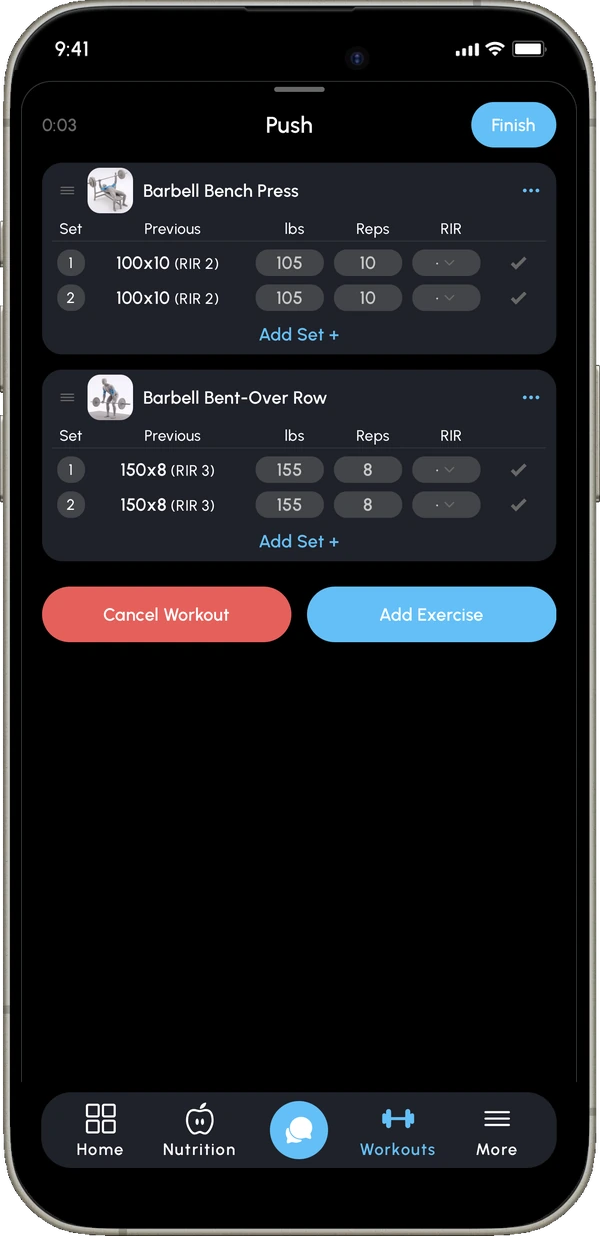
A common approach is to work each muscle about twice a week, take your sets close to failure, and add a rep or a little weight over time. How many sets per week to build muscle? covers how much training is enough, and our workout routine examples show full weeks laid out with sets, reps and rest.
Common questions
Can you build muscle without a surplus?
Yes, especially if you're new to lifting or coming back after a break. Many beginners build muscle while eating around maintenance, and some lose fat at the same time. Once you've been lifting for a while, a small surplus makes progress a lot easier.
How long does a bulk last?
Many lifters bulk for several months at a time, since muscle builds slowly. Some keep going as long as their training is moving forward and they're happy with how they look. Others alternate a few months of bulking with a shorter cut.
How much of the weight I gain is muscle?
Some of it will be fat, even on a slow bulk. The slower you gain, the larger the share that's muscle. Newer lifters also tend to put on more muscle per pound than people who've been lifting for years.
Can I do cardio while bulking?
Yes. A few walks or easy cardio sessions a week are good for your heart and won't get in the way of building muscle. Count the calories they burn in your daily burn, so your surplus stays where you want it.
What does "bulk" mean in a gym?
It's gym slang for a period of eating in a calorie surplus to build muscle. The opposite is a "cut," where you eat in a deficit to lose fat. Our Fitness Dictionary covers both, along with more than 100 other gym and nutrition terms.
Sources
- Iraki J. et al. Nutrition recommendations for bodybuilders in the off-season: a narrative review. Sports (2019).
- Jäger R. et al. International Society of Sports Nutrition Position Stand: protein and exercise. Journal of the International Society of Sports Nutrition (2017).
- Morton R.W. et al. A systematic review, meta-analysis and meta-regression of the effect of protein supplementation on resistance training-induced gains in muscle mass and strength. British Journal of Sports Medicine (2018).
- U.S. Department of Agriculture. FoodData Central.